
Gambling Harm Awareness Week31 August – 6 September 2026
Hooked
Gambling products are built to keep you playing.
Know the game behind the game — and know where to get help.
Learn to spot the red flags
Gambling is Designed to Hook you
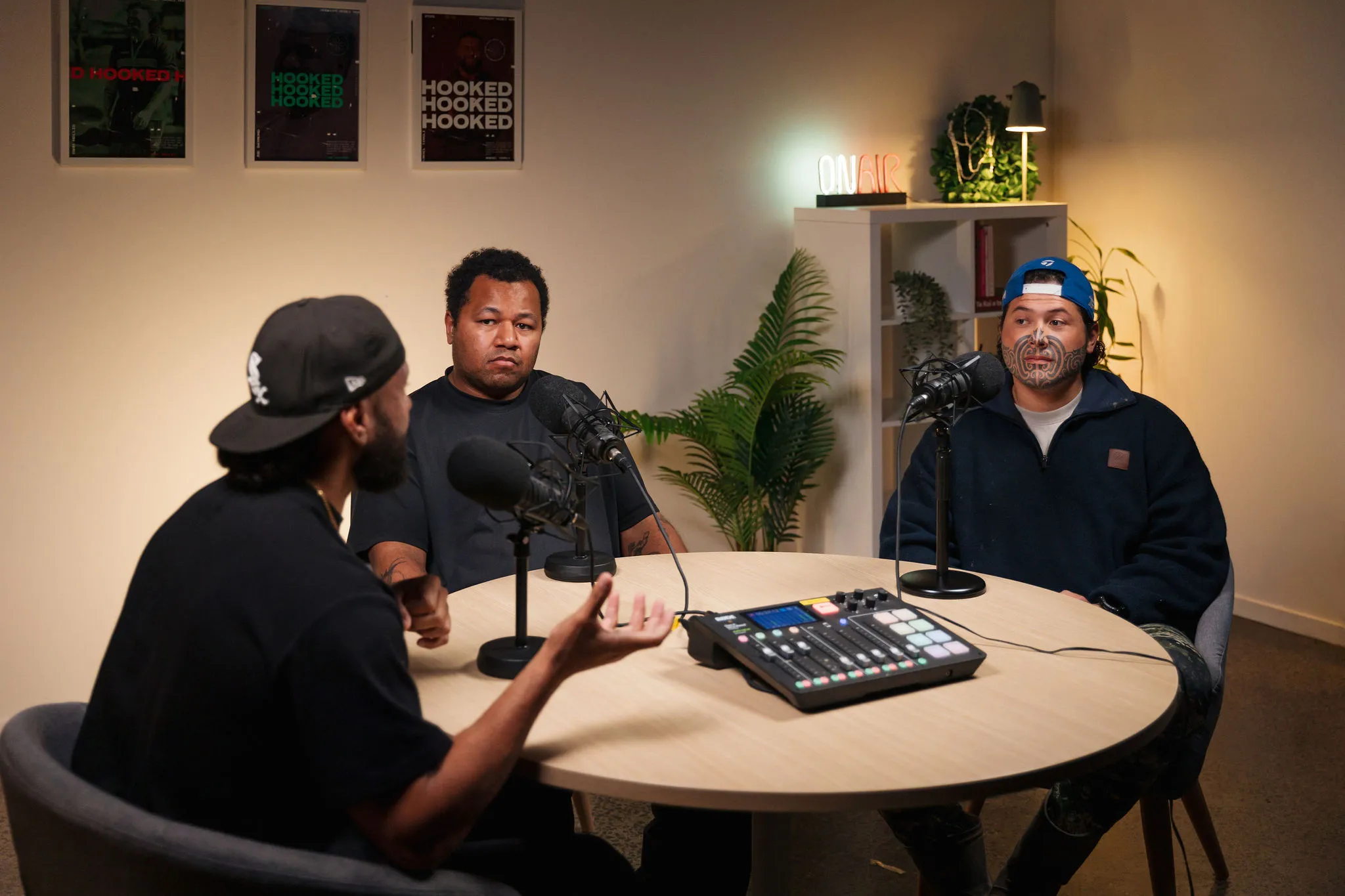
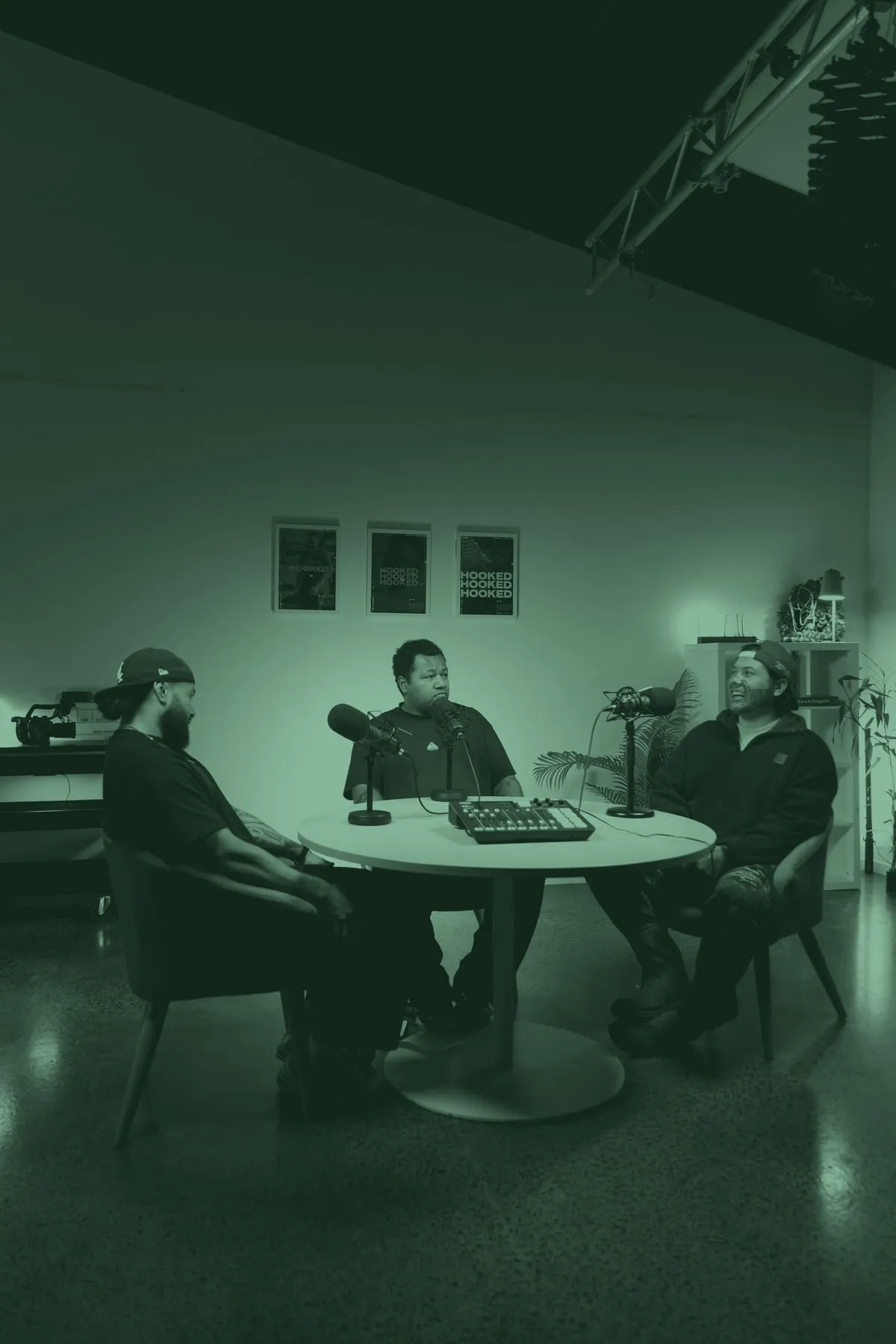
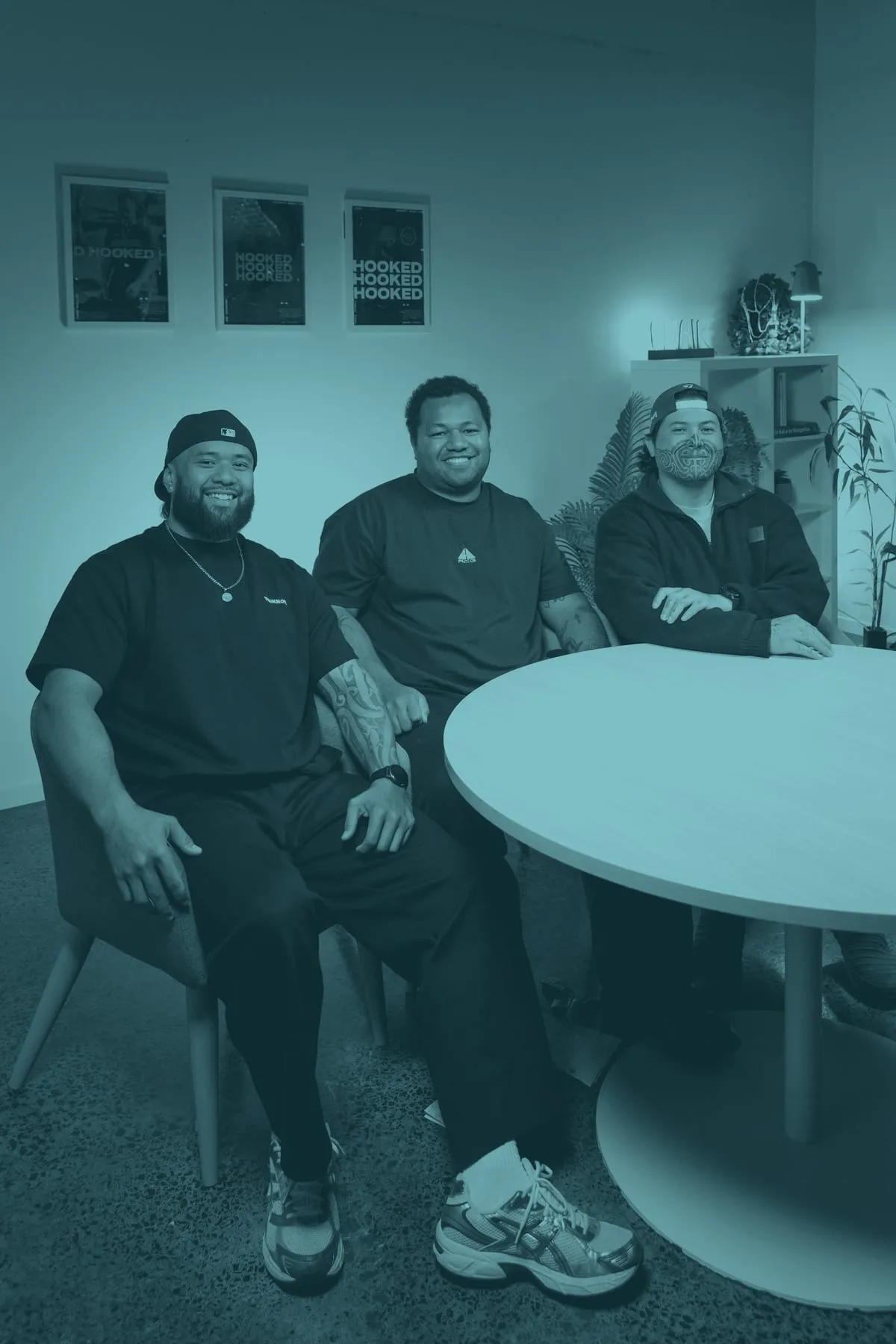
Featuring Joe Daymond (Te Āti Awa, Fiji), Tahu Hollis (Ngāti Pūkenga, Ngāti Porou, Ngāpuhi, Te Iwi Mōrehu) and Montel Tivoli (Ngāti Whātua, Ngāti Porou, Ngāti Hāmoa).
Hooked?! Here’s how.
Spot the red flags
Gambling harm doesn’t always look obvious.
Sometimes it’s small changes that start adding up — in your money, your mood, your relationships or the amount of time you’re spending gambling.
Chasing your losses
Going back to try to win back money you’ve already lost.
Spending more than you planned
What started as a small bet keeps turning into more.
Keeping it secret
Hiding how much you’re gambling, what you’ve lost, or how often you’re doing it.
Money is getting tight
Bills, kai or other essentials are getting pushed aside, or you’re borrowing money so you can keep gambling.
It’s taking up more of your headspace
You’re thinking about gambling a lot — when you’ll play next, what you could win, or how you’ll make back a loss.
Your mood changes with it
You’re feeling stressed, irritable, anxious or low because of gambling or money you’ve lost.
It’s affecting the people around you
Arguments about money, less time with whānau, broken trust, or people close to you starting to worry.
It’s getting harder to stop
You’ve tried to cut back or stop but keep finding yourself going back.
If gambling is starting to cost more than money, it might be time to kōrero.
Articles
Want to know more?
The Gambling Industry and Their Strategies
-
“This was my face on the line”: Rangiātea Stewart’s warning about fake gambling ads
After refusing thousands of dollars to promote online gambling, Rangiātea Stewart discovered scammers were using her face to do it anyway.
-
The Gambling Industry: Part 1 — The Psychology Playbook
Why do people get hooked on gambling? It’s not about weakness or willpower - it’s by design. From near-misses to dopamine hits, gambling products are built to keep us coming back.
-
The Gambling Industry: Part 2 — The Marketing Machine
Before we even place a bet, gambling has already worked its way into our everyday lives. From sports commentary to Lotto ads to personalised nudges on our phones - the industry’s marketing machine makes it all look normal.
-
No Shortcuts: How Tahu Hollis Found a Way Out of Gambling Harm
Tahu Hollis lost over $20,000 before he turned twenty - but the real cost was the shame, lies, and the toll on his wairua. In this story, he shares how whānau, creativity, and culture helped him find a way out - and why there are no shortcuts to healing

Are you or someone you know experiencing harm from gambling?
Pātea is an app designed and created by Māori to reduce the impact of gambling harm on individuals and whānau.
Support
Find support in your region
Free, confidential support is available across the motu.